
NanoFractional RF in Vancouver
NanoFractional RF Skin Resurfacing
Discover NanoFractional RF skin resurfacing at Auralia Skin Lab in Kitsilano, Vancouver. This professional treatment delivers fractional radiofrequency energy into the skin to support collagen and elastin production, helping improve the appearance of acne scars, enlarged pores, fine lines and uneven skin texture.
How NanoFractional RF Works
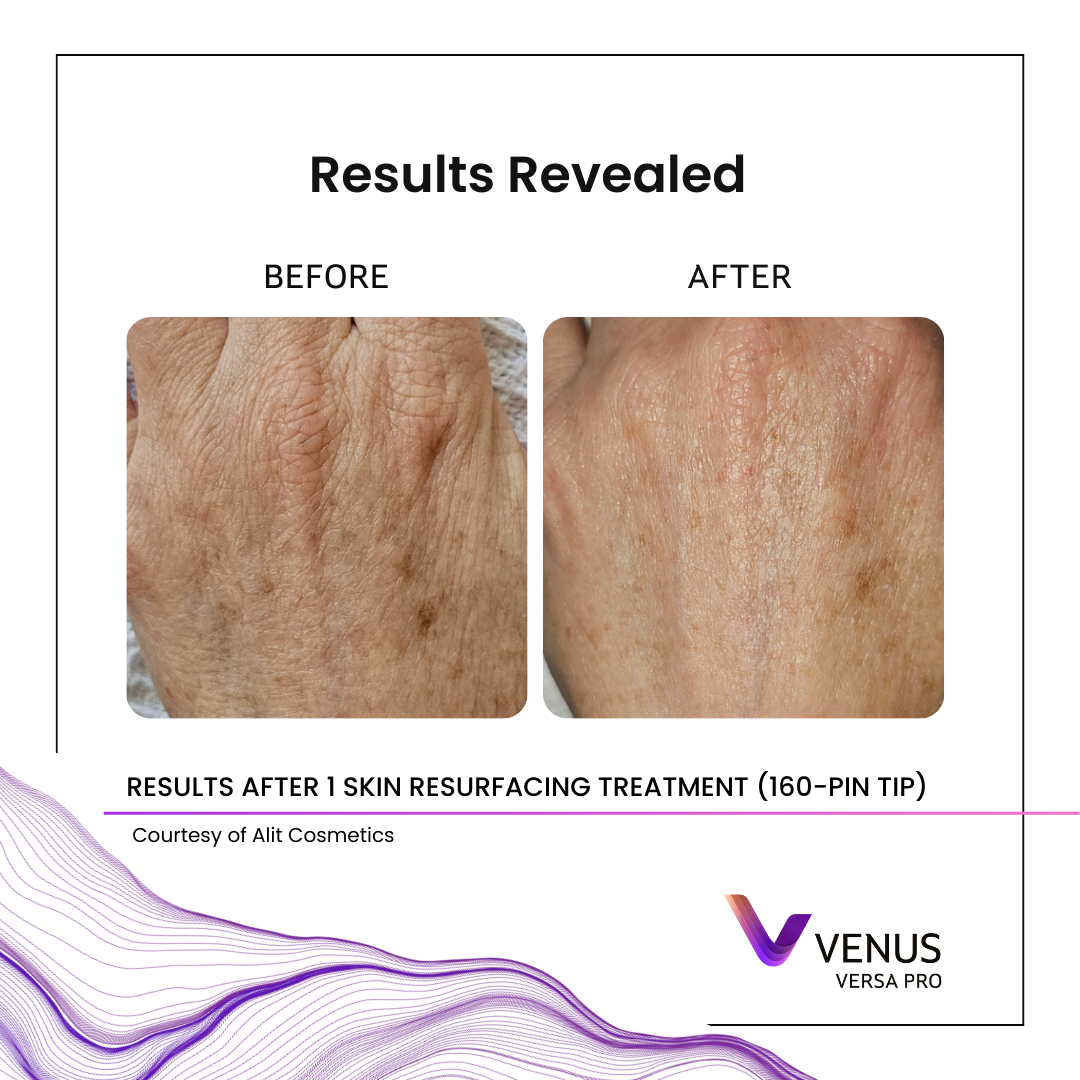
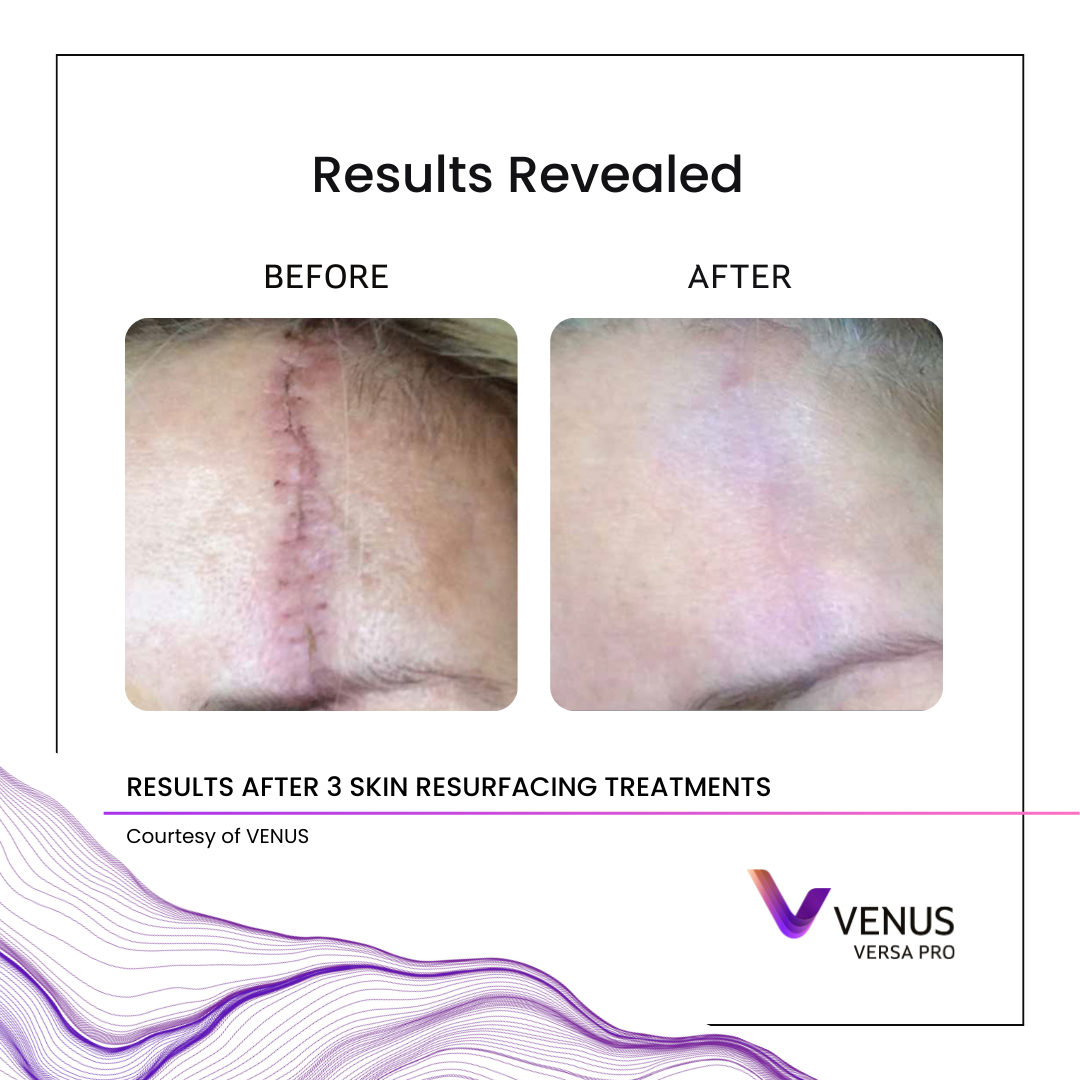
Venus Viva MD delivers fractional radiofrequency energy through tiny pins, creating controlled micro-dermal wounds in the treated area. This activates the skin’s natural repair response and supports new collagen and elastin production, helping the skin appear smoother, firmer and more even over time.
Personalized and Precise Treatment
Performed by trained professionals using sterile treatment tips
Treatment settings are customized to your skin and concerns
May improve the appearance of acne scars, enlarged pores, fine lines and uneven texture
Treatment suitability is confirmed during your consultation
Typical Downtime and Recovery
Temporary redness, warmth and sensitivity may last approximately 24–72 hours
Some clients may experience dryness or light flaking during recovery
Most clients can return to regular activities within one to two days
Recovery time and individual responses may vary

What to EXPECT?
4–6 Treatments / Every 4–6 Weeks
A series of treatments may help improve the appearance of fine lines, acne scars, enlarged pores and uneven skin texture. Results develop gradually as the skin produces new collagen and elastin. The recommended number and frequency of treatments vary by individual.
What Happens During Treatment?
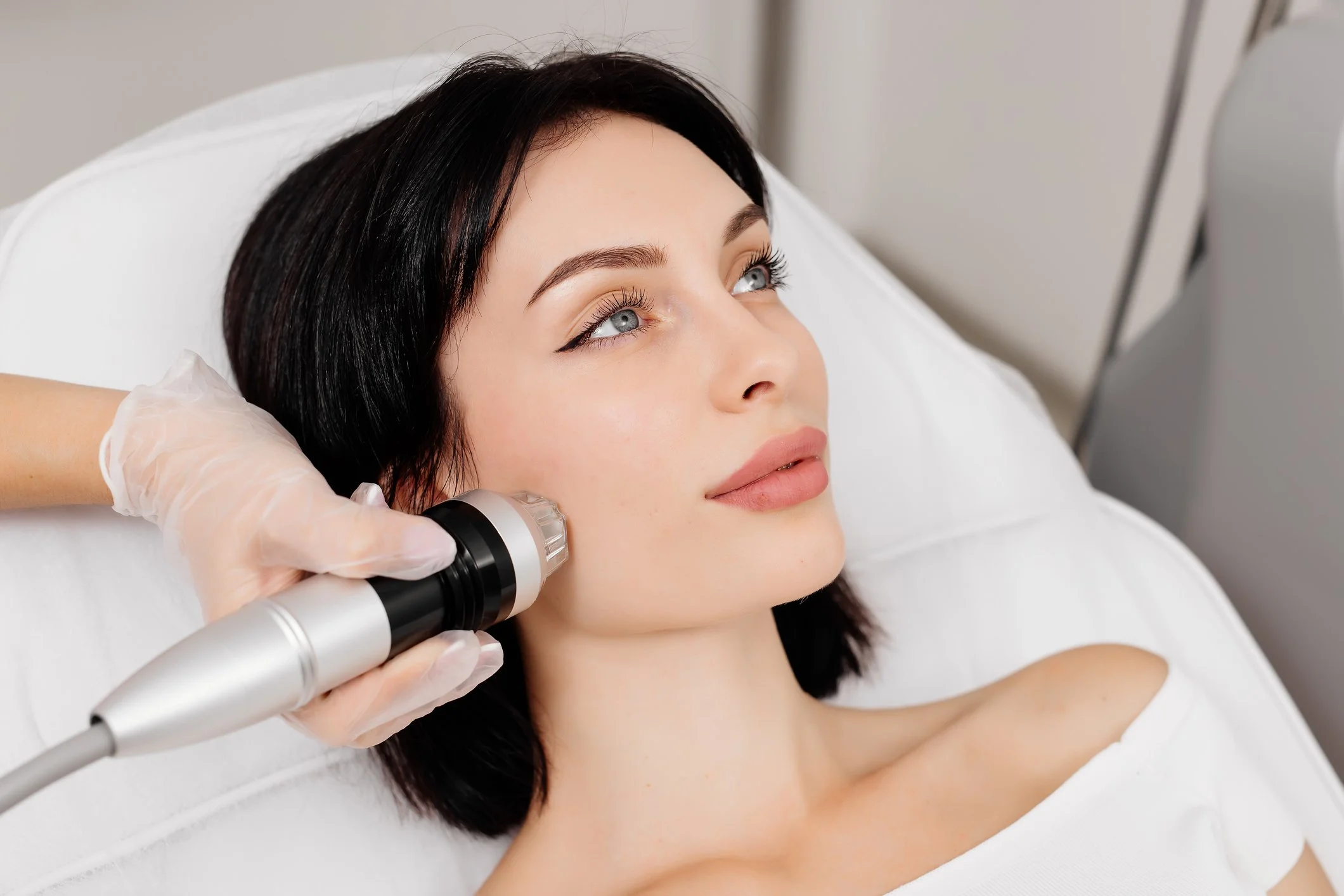
During treatment, a specialized applicator delivers fractional radiofrequency energy into targeted areas of the skin. A topical numbing cream may be applied beforehand to improve comfort. Treatment time depends on the area being treated, and a personalized aftercare plan will be provided following your appointment.
Frequently Asked Questions
-
NanoFractional RF is a professional skin resurfacing treatment that delivers fractional radiofrequency energy through an applicator with small pins. The energy creates controlled micro-dermal treatment zones while leaving surrounding tissue intact.
This process activates the skin’s natural repair response and supports the production of new collagen and elastin. Over time, the skin may appear smoother, firmer and more even in texture.
-
No. Although both treatments use small pins and stimulate the skin’s natural renewal process, they work differently.
Traditional microneedling primarily creates controlled mechanical microchannels. NanoFractional RF also delivers radiofrequency energy into the targeted tissue, allowing the provider to customize the level of ablation and coagulation used for skin resurfacing.
Your provider can recommend the most appropriate treatment based on your skin concerns, treatment history and desired downtime.
-
NanoFractional RF may help improve the appearance of:
Acne scars and other visible scars
Enlarged pores
Fine lines and deeper wrinkles
Uneven or rough skin texture
Uneven-looking pigmentation
Sun-damaged skin
Stretch marks
General signs of skin aging
Results and suitability vary by individual. A consultation is required to determine whether NanoFractional RF is appropriate for your specific concern.
-
NanoFractional RF is commonly used on the face to address texture, pores, fine lines and acne scars. Depending on your concern and treatment suitability, it may also be used on selected areas of the neck or body.
The available treatment areas should be confirmed during your consultation, as treatment settings and expected results vary by area.
-
NanoFractional RF technology can be customized for a wide range of skin types and concerns. However, being technically suitable for different skin types does not mean every person is automatically a candidate.
Your provider will assess your skin type, medical history, medications, current skin condition and risk of pigmentation changes before recommending treatment.
-
Your appointment begins with cleansing and assessing the treatment area. A topical numbing cream may be applied beforehand to improve comfort.
During treatment, the provider places the NanoFractional RF applicator against the skin and delivers controlled radiofrequency energy through its small pins. You may feel warmth, pressure or a brief prickling sensation with each pulse.
Treatment time depends on the size and number of areas being treated. After the procedure, your provider will apply appropriate post-treatment products and explain your personalized aftercare instructions.
-
Comfort levels vary from person to person. Most clients describe the treatment as a combination of warmth, pressure and a prickling or stamping sensation.
A topical numbing cream may be used before treatment, and the settings can be adjusted according to the treatment area, your skin and your comfort level. Some sensitivity may remain immediately after the procedure.
-
Auralia Skin Lab generally recommends a series of approximately four to six treatments, often scheduled four to six weeks apart.
The number and timing of treatments depend on:
The concern being treated
The severity of the concern
Your skin’s response
The treatment settings used
Your desired outcome and available downtime
Some clients may require fewer or additional sessions. Your provider will create a personalized treatment plan
-
Some clients notice that their skin looks and feels smoother after the initial recovery period. More significant improvements generally develop gradually as the skin completes its repair process and produces new collagen and elastin.
Because collagen remodeling takes time, results may continue developing for several weeks or months after a treatment series. Individual results vary and cannot be guaranteed.
-
The duration of results varies according to age, skin condition, lifestyle, sun exposure, skincare habits and the concern being treated.
NanoFractional RF does not stop the natural aging process. Daily sun protection, an appropriate skincare routine and maintenance treatments may help support and preserve the results.
Your provider can recommend a maintenance schedule based on your skin and treatment goals.
-
NanoFractional RF generally involves less downtime than more aggressive resurfacing procedures, but some recovery should still be expected.
Temporary effects may include:
Redness and warmth
Mild swelling
Sensitivity or tenderness
Dryness or tightness
Light flaking
Small pinpoint crusts or a rough texture
Redness and sensitivity may last approximately 24–72 hours, although recovery time varies according to the treatment intensity and individual skin response. Some visible dryness or flaking may last longer.
-
Before your appointment:
Avoid tanning and excessive sun exposure.
Use broad-spectrum sunscreen daily.
Tell your provider about all medications, supplements and topical products you use.
Disclose any recent cosmetic procedures or resurfacing treatments.
Inform your provider if you have a history of cold sores.
Do not treat skin that is sunburned, irritated, infected or actively inflamed.
Follow any instructions about temporarily stopping retinoids, exfoliating acids or other active skincare products.
-
Follow the personalized instructions provided by your practitioner. General aftercare may include:
Cleanse the area gently with lukewarm water and a mild cleanser.
Apply the recommended moisturizer or recovery product.
Use broad-spectrum SPF 30 or higher every day.
Avoid picking, scratching or exfoliating peeling skin.
Avoid retinoids, exfoliating acids and abrasive scrubs until your provider says they can be resumed.
Avoid excessive heat, saunas, steam rooms and intense exercise during the initial recovery period.
Avoid direct sun exposure and tanning.
Contact the clinic if you experience unexpected or worsening symptoms.
Allow any flaking or pinpoint crusting to resolve naturally.
-
NanoFractional RF may not be appropriate for everyone. Treatment may need to be postponed or avoided if you have an active infection, open wound, significant irritation or another active condition in the treatment area.
Before treatment, tell your provider if you:
Are pregnant or breastfeeding
Have an implanted electronic device
Have a history of abnormal scarring or poor wound healing
Have an active skin infection or inflammatory skin condition
Have recently used isotretinoin
Take medications that affect healing, bleeding or skin sensitivity
Have recently received another resurfacing or injectable treatment
Have a history of cold sores
This is not a complete list of contraindications. Final eligibility must be determined during a professional consultation.
-
NanoFractional RF may be included in a broader treatment plan, but the timing of other treatments must be assessed carefully.
Depending on your skin and goals, your provider may recommend combining or alternating it with treatments for hydration, pigmentation, acne or skin rejuvenation. Injectables, peels, laser or IPL treatments may need to be separated by an appropriate recovery period.
Do not schedule multiple treatments close together without professional guidance.
-
Treatment cost depends on the area being treated, the number of sessions recommended and whether the treatment is purchased individually or as part of a package.
Please contact Auralia Skin Lab or book a consultation for current pricing and a personalized treatment plan.